


Ogyen Choling featured on Dwell:
The Remote 14th-Century Bhutanese Fortress Steeped in Buddhist Heritage
Text & Photos by Matt Dutile
Ogyen Choling is an ideal place for anyone interested in the history and culture of Bhutan.

Ogyen Choling courtyard
It is ideal place for guests interested in the history and culture of Bhutan, guests who appreciate the special setting with the calming spiritual ambiance and the solitude off the beaten track.
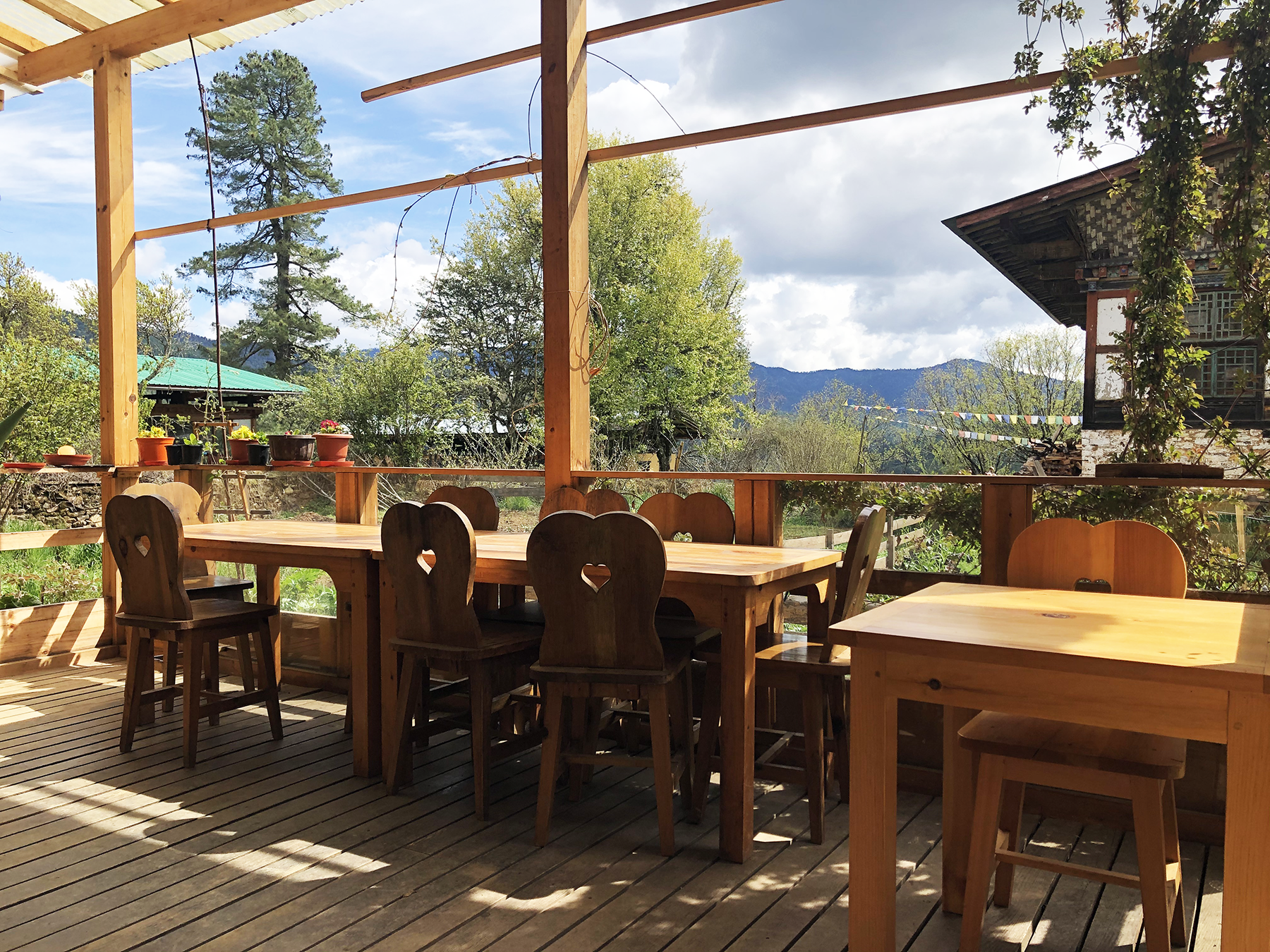
dine outside in the warm sun
The guest house strongly believes in an environmentally conscious use of resources, engagement of the community and maximising guest experience.
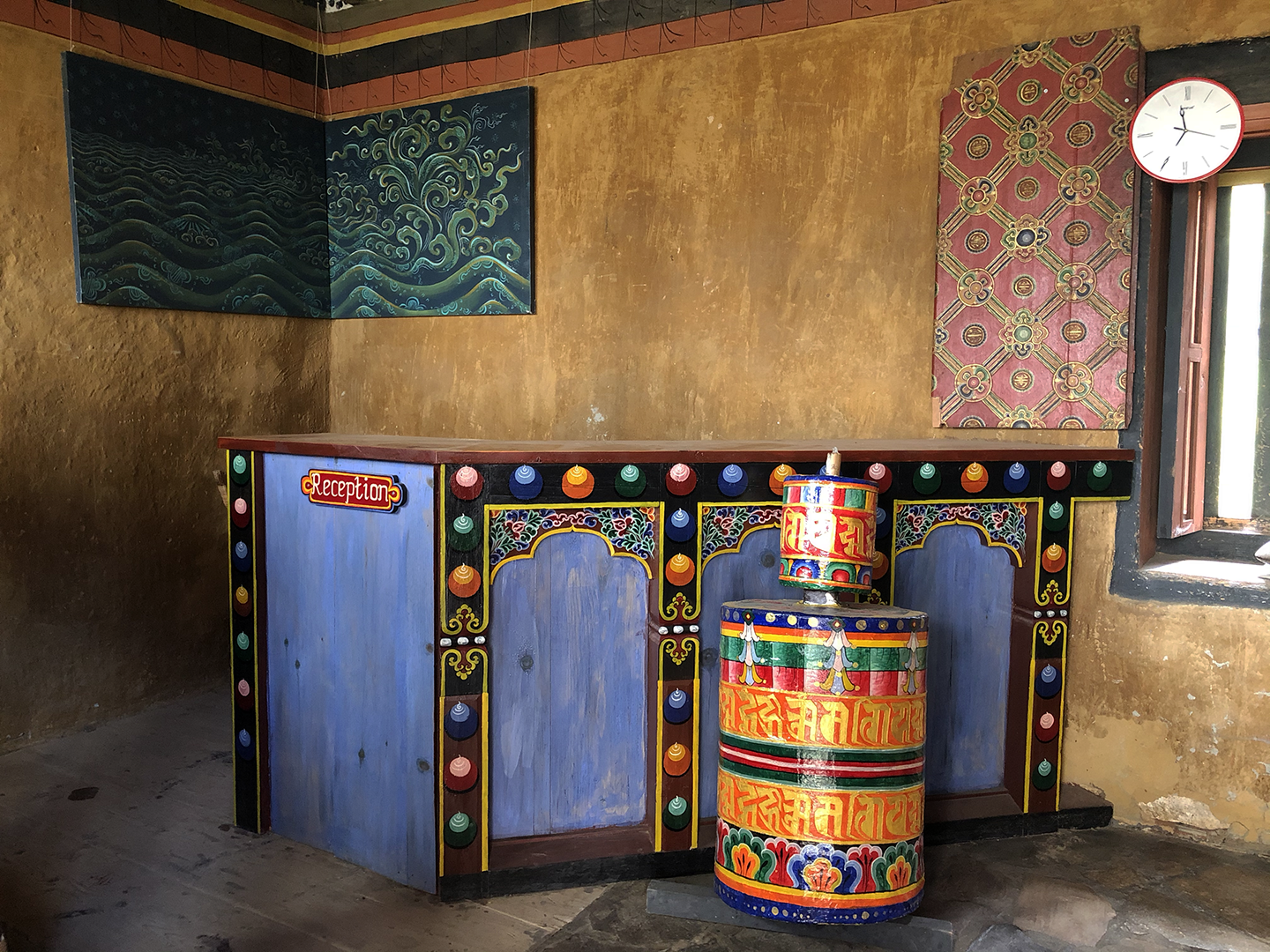
“Extremely nice people, a beautiful spot, great views on the valley, nice village, impressive cultural heritage. This place is full of peace. You will enjoy! The reason to go (and to go back) to Bhutan”
-Peter S
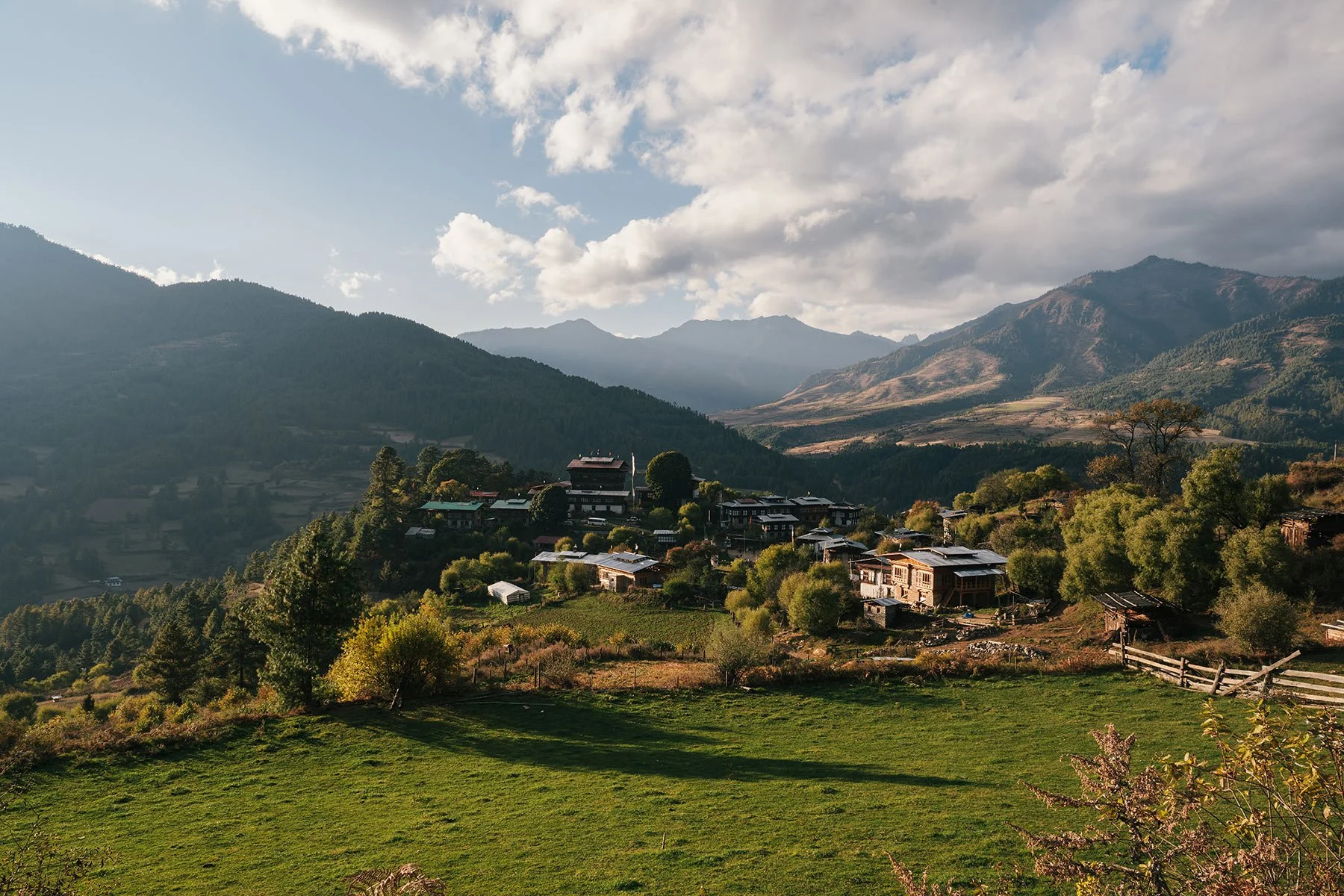
photo by matt dutile
Bhutan Travel Policy & Visitor Guidelines
Welcome to Bhutan
Bhutan welcomes visitors from around the world while remaining committed to protecting its unique culture, environment, traditions, and way of life.
All visitors are expected to respect Bhutanese laws, customs, communities, and natural surroundings throughout their stay.
1. Visa and Entry Requirements
Visitors must meet Bhutan’s applicable immigration and entry requirements before travelling.
Depending on nationality, travellers may require a visa, entry permit, or other travel authorization. Visitors are responsible for ensuring that their passport and travel documents meet the applicable requirements.
Entry requirements may change, so travellers should check the latest official information before booking or beginning their journey.
2. Sustainable Development Fee
Bhutan applies a Sustainable Development Fee (SDF) to eligible visitors.
The SDF contributes to Bhutan’s long-term sustainable development, including environmental conservation, cultural preservation, healthcare, education, infrastructure, and community development.
Applicable fees, concessions, exemptions, and payment requirements may vary according to nationality and other eligibility criteria.
Visitors should confirm the applicable SDF requirements before travelling.
3. Responsible Travel
Bhutan follows a high-value, low-impact approach to tourism. Visitors are encouraged to travel responsibly and help preserve the country's natural and cultural heritage.
Visitors should:
Respect Bhutanese traditions and customs.
Protect the environment and avoid littering.
Minimise the use of single-use plastics.
Respect local communities and private property.
Support local businesses, artisans, and communities.
Avoid disturbing wildlife.
Follow designated trekking routes and environmental guidelines.
Leave natural and cultural sites as they are.
4. Respect for Culture and Religion
Bhutan's monasteries, temples, dzongs, stupas, and other religious sites are important places of worship and cultural heritage.
Visitors should behave respectfully when visiting these locations.
Please:
Dress appropriately when visiting religious sites.
Follow instructions from guides and site authorities.
Speak quietly and behave respectfully.
Do not touch religious statues, objects, paintings, or artefacts unless permitted.
Ask permission before photographing people.
Follow any photography restrictions.
5. Photography and Drones
Photography is welcomed in many parts of Bhutan, but restrictions may apply at religious, government, military, and other designated locations.
Visitors should always follow local instructions regarding photography and filming.
The use of drones is subject to Bhutanese regulations and may require prior approval or a permit. Visitors should not operate drones without the necessary authorization.
6. Trekking and Outdoor Activities
Bhutan offers a wide range of trekking and outdoor experiences. Visitors participating in trekking or adventure activities should follow all applicable safety requirements.
Travellers should:
Use approved guides and service providers where required.
Follow designated trails.
Respect wildlife and natural habitats.
Carry appropriate clothing and equipment.
Follow the advice of guides, authorities, and local communities.
Take all personal waste with them.
Mountain conditions can change quickly, and visitors should be prepared for changing weather and altitude.
7. Accommodation and Transportation
Visitors should use accommodation and tourism services that meet Bhutan's applicable tourism requirements.
Transportation arrangements should be made through appropriate tourism service providers, hotels, or other authorized providers.
Visitors should follow all safety instructions and local transportation regulations.
8. Wildlife and Environmental Protection
Bhutan is home to diverse and protected wildlife and ecosystems.
Visitors must not:
Feed wild animals.
Capture, harm, or disturb wildlife.
Remove plants, rocks, or other natural resources from protected areas.
Damage forests or natural habitats.
Leave rubbish or other waste behind.
Visitors are encouraged to observe wildlife from a safe and respectful distance.
9. Local Communities
Visitors are encouraged to engage positively with Bhutanese communities.
Please respect local customs, homes, businesses, and personal space. When purchasing local products or handicrafts, visitors are encouraged to support local artisans and businesses.
Responsible tourism helps ensure that the benefits of tourism reach communities throughout Bhutan.
10. Health and Travel Insurance
Visitors are encouraged to obtain comprehensive travel insurance before travelling to Bhutan.
Insurance should ideally provide appropriate coverage for medical treatment, emergency evacuation, trip cancellation, baggage loss, and trekking or adventure activities where applicable.
Travellers should also ensure that they have sufficient medication and any necessary medical documentation for the duration of their stay.
11. Compliance with Bhutanese Law
All visitors must comply with the laws and regulations of the Kingdom of Bhutan during their stay.
Visitors are responsible for understanding and following applicable rules relating to immigration, tourism, environmental protection, cultural heritage, wildlife, restricted goods, photography, and public conduct.
Failure to comply with Bhutanese law may result in penalties or other legal consequences.
12. Changes to Travel Requirements
Bhutan's travel policies, visa requirements, Sustainable Development Fee, entry procedures, health requirements, and other regulations may be updated from time to time.
Visitors should always check the latest official information before travelling.
Travel Responsibly. Respect Bhutan. Preserve the Journey.
By travelling responsibly, visitors help protect Bhutan's extraordinary natural environment, cultural heritage, and traditions for future generations.
For updated information on Bhutans Tourism policy and regulation visit: https://bhutan.travel/

photo by matt dutile
Sustainability Guidelines and Green Initiatives
From its inception, the Ogyen Choling Heritage House has made a strong commitment to adopt sustainable practices that minimize environmental impact and promote social responsibility. Our approach integrates traditional wisdom with modern sustainability measures, ensuring that heritage preservation goes hand in hand with ecological stewardship.
The operation of the guest house is based on the following guide lines:
☐ Using renewable energy
☐ Maximize energy efficiency
☐ Using local products
☐ Optimize water use
☐ Waste management
☐ Community engagement
Renewable Energy
☐ Solar water heating systems
☐ Solar electricity generation
☐ Wood-burning stoves for cooking
Energy Efficiency
☐ Insulated walls to reduce heat loss
☐ Double-glazed window panes for improved thermal performance
☐ LED lights
☐ Air drying after washing linen, towels, clothes
Water Optimization
☐ Using rainwater harvesting for flowers, vegetable garden and fire control
☐ Minimizing changing of bed sheets and towels based on guest needs
Waste Minimization
☐ Use of locally produced goods to reduce transport emissions
☐ Elimination of unnecessary packaging
☐ Minimize food waste
☐ Eliminated use of plastic water bottles
☐ Composting of all biodegradable waste
Community Engagement
☐ Employment of local human resources
☐ Income generation opportunities for the local population through tourism